1. Macroeconomic Context & Bilateral Diplomatic Framework
The economic corridor connecting the Federal Republic of Germany and the Socialist Republic of Vietnam has entered an era of deep, structural integration. Anchored by the 50th anniversary of bilateral diplomatic ties celebrated in 2025, the relationship has shifted from traditional mercantile exchange to strategic engineering alliances, cooperative green energy architectures, and high-tech supply chain recalibration. As European industrial players seek resilient manufacturing nodes within Southeast Asia, Vietnam has emerged as a primary destination for German capital deployment under China-plus-one risk mitigation strategies.
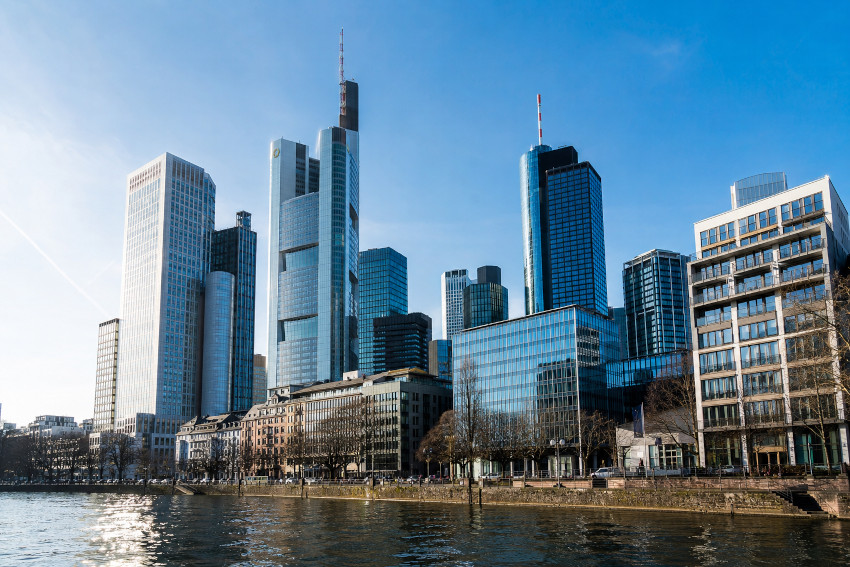
Operating from the financial heart of Germany, the Consulate General of Vietnam in Frankfurt am Main orchestrates this bilateral pivot by serving as the critical administrative and advisory link between German multinational enterprises, Mittelstand businesses, and Vietnamese provincial planning authorities. The structural reforms implemented by Hanoi in late 2025 and early 2026 have radically streamlined cross-border corporate registration, accelerated technology transfer approvals, and fortified investment protections, offering an unprecedented level of regulatory predictability for institutional investors based in Europe.
The institutional framework governing these economic interactions is driven by the Vietnam-Germany Joint Economic Committee and periodic strategic dialogues that synchronize economic policy with localized manufacturing execution. Recent working sessions between Consular leadership and parliamentary representatives from industrial states like Hessen, Baden-Württemberg, and Bayern emphasize the creation of dedicated industrial clusters. These clusters are explicitly engineered to accommodate German engineering standards, integrating smart infrastructure directly with local logistics systems to minimize initial deployment frictional costs for incoming foreign direct investment.
2. Strategic Bilateral Briefings & News
Select a data node below to view the exhaustive background briefing, policy frameworks, and investment implications:
3. Bilateral Trade Metrics & Macro Indicators
Bilateral trade volumes compiled through the close of the recent fiscal periods confirm that Germany remains Vietnam's preeminent trading partner within the European Union, representing roughly 20% of Vietnam's entire trade turnover with the EU block. Total trade exchange reached over $24 billion, indicating robust resilience despite severe macroeconomic adjustments across western manufacturing bases.
| Macro Indicators & Core Trade Flows | Target Metrics Portfolio | YOY Trend Variance |
|---|---|---|
| Total Bilateral Trade Turnover | $24.9 Billion USD | +3.0% Expansion |
| Vietnamese Structural Exports to DE | $15.4 Billion USD | +17.9% Volume Increase |
| German Capital Goods & Tooling Imports to VN | $3.84 Billion USD | -29.4% Capital Realignment |
| Agricultural & Agro-Chemical Inflows to Germany | $1.90 Billion USD | +64.0% Value Surge |
| Registered German FDI Projects (Active) | 460+ Core Allocations | +12 New Multi-State Plants |
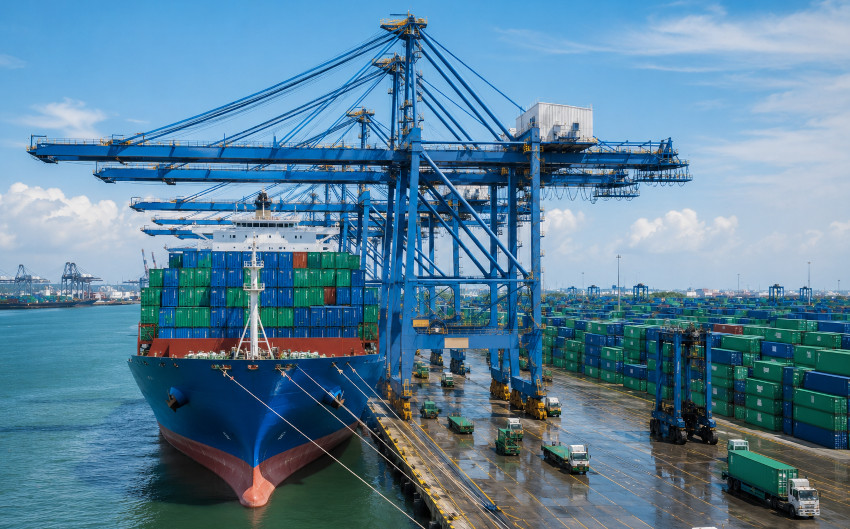
Analysis of these numbers indicates a structural rebalancing. While Vietnamese industrial manufacturing exports—particularly in consumer electronics, telecommunication equipment, and complex footwear matrices—showed double-digit expansions, German exports to Vietnam saw a consolidation down to $3.84 billion. This trend reflects a pivot within the Vietnamese manufacturing landscape away from consuming imported heavy sub-assemblies and toward domestic processing using German precision machines and automated systems.
4. Core Foreign Direct Investment (FDI) Sector Profiles
Explore the regulatory frameworks, industrial park availability, and target incentives across five core investment spaces:
5. Strategic Outlook and Investment Legal Frameworks
The path forward for German enterprises investing in Vietnam is reinforced by the ongoing rollout of the EU-Vietnam Free Trade Agreement (EVFTA) and the expanding integration of the EU-Vietnam Investment Protection Agreement (EVIPA). These legal structures remove over 99% of traditional customs duties, while establishing robust arbitration mechanisms to safeguard intellectual property and heavy industrial assets. The primary focus centers on advanced technology transfer, clean tech deployment, and industrial digitalization.
German Mittelstand firms can maximize these advantages by utilizing regional investment incentives. Enterprises deploying capital within designated specialized industrial zones are eligible for multi-year corporate income tax exemptions, deferred land rental fees, and streamlined import-export processing windows. The Consulate General of Vietnam in Frankfurt am Main provides direct consultative assistance to corporate boards, facilitating high-level introductions to provincial leaders and ensuring compliance with federal environmental and zoning mandates. By bridging German engineering capabilities with Vietnam's rapid industrial expansion, this corridor continues to drive resilient economic growth across both regions.